
Martha Washington


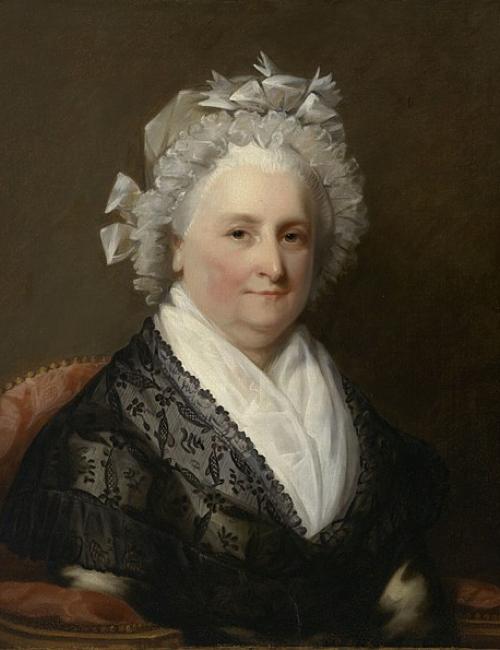
Born:
Died:
Family:
Early Life:
Religion:
Occupation:
Military Service:
Interests:
Accomplishments:
Early Life
Martha Dandridge was born on **June 2, 1731**, in New Kent County, Virginia, to John Dandridge, a wealthy planter and militia officer, and Frances Jones Dandridge. Growing up on the family plantation, Martha was exposed to the responsibilities of managing household affairs and supervising enslaved labor from a young age, skills that would later serve her in her prominent social roles. Her childhood was marked by a combination of privilege and duty, as the eldest daughter in a prosperous family, she was expected to learn the etiquette, household management, and social skills necessary for women of her status in colonial Virginia. Martha’s early education was typical for women of her class. She received instruction at home, focusing on reading, writing, basic arithmetic, and accomplishments such as music and needlework. Her upbringing emphasized piety, manners, and the social graces needed to navigate Virginia’s planter elite. From an early age, she displayed intelligence, charm, and a practical understanding of domestic and social affairs, traits that would define her later life. At age 18, in 1750, Martha married **Daniel Parke Custis**, a wealthy plantation owner. The marriage brought her not only status but significant responsibility, as she became mistress of the Custis estates, overseeing hundreds of enslaved workers and managing large-scale agricultural operations. The union produced four children, though only two survived to young adulthood: John “Jacky” Parke Custis and Martha “Patsy” Parke Custis. Widowed at the age of 26 in 1757, following Daniel’s untimely death, Martha inherited a substantial fortune and retained control over the Custis plantations, demonstrating remarkable independence and managerial skill for a young woman of her era. By age 30, Martha Dandridge Custis had already experienced the complexities of wealth, loss, and responsibility. She had become a mother, a widow, and a competent estate manager, gaining respect and recognition in Virginia’s upper-class society. Her formative years, shaped by education, social expectations, and early family obligations, prepared her for the prominent role she would later assume as the wife of George Washington and the first First Lady of the United States. Martha’s early experiences combined resilience, intelligence, and social sophistication, forming the foundation for her influence and poise in the public and private spheres of colonial and early American life.
Married Life
Martha Washington’s married life began with her first marriage to Daniel Parke Custis in 1750, when she was 18. As the mistress of the Custis estates, she oversaw household management, large-scale agricultural operations, and the care of hundreds of enslaved workers. Her marriage produced four children, though only two—John “Jacky” Parke Custis and Martha “Patsy” Parke Custis—survived to early adulthood. Widowed at the age of 26, Martha managed her substantial inheritance and estates with remarkable skill, demonstrating independence and resilience unusual for women of her era. In 1759, she married George Washington, a rising Virginia planter and military officer. Their partnership blended Martha’s wealth and social influence with George’s ambition and public career. Martha provided steady support, overseeing their Mount Vernon household, raising a blended family, and maintaining the estate during George’s extended absences for military and political duties. During the Revolutionary War, she joined him at winter encampments when possible, tending to the needs of officers and soldiers while offering moral support. Throughout her marriage, Martha balanced domestic responsibility with public visibility, hosting dignitaries and ensuring the household operated smoothly, leaving a lasting legacy of dignity, strength, and partnership that defined her role as America’s first First Lady.
Noteworthy Highlights
Martha Washington was born on June 2, 1731, in New Kent County, Virginia, to John and Frances Dandridge. She received a home-based education in reading, writing, music, needlework, and social graces. In 1750, she married Daniel Parke Custis and became mistress of a large plantation, managing a household of hundreds of enslaved workers. She had four children with Daniel Custis, two of whom survived: John “Jacky” Parke Custis and Martha “Patsy” Parke Custis. Widowed at the age of 26 in 1757, she inherited and successfully managed the Custis estate. In 1759, she married George Washington, forming a partnership that combined wealth, social influence, and public service. During the Revolutionary War, she joined George at some winter encampments, providing moral support and managing domestic needs of officers and households. She oversaw operations at Mount Vernon, including household management, agriculture, and estate finances. As the nation’s first First Lady, she hosted official functions and established social protocols for the new federal government. She raised her own children and stepchildren, maintaining strong family ties and ensuring the welfare of the Washington and Custis heirs. Martha Washington died on May 22, 1802, at Mount Vernon, remembered for her dignity, resilience, and pivotal role in early American history.
Obituary
Level 3a Martha Dandridge Custis Washington, the nation’s first First Lady, died on May 22, 1802, at Mount Vernon at the age of 70. A devoted wife to George Washington, she was a source of strength during the Revolutionary War, bringing warmth and comfort to soldiers in camp and overseeing the care of their family estate. Her grace, hospitality, and quiet leadership helped define the role of First Lady for generations to come. She is remembered for her steadfast devotion to family, country, and the values of the new republic.